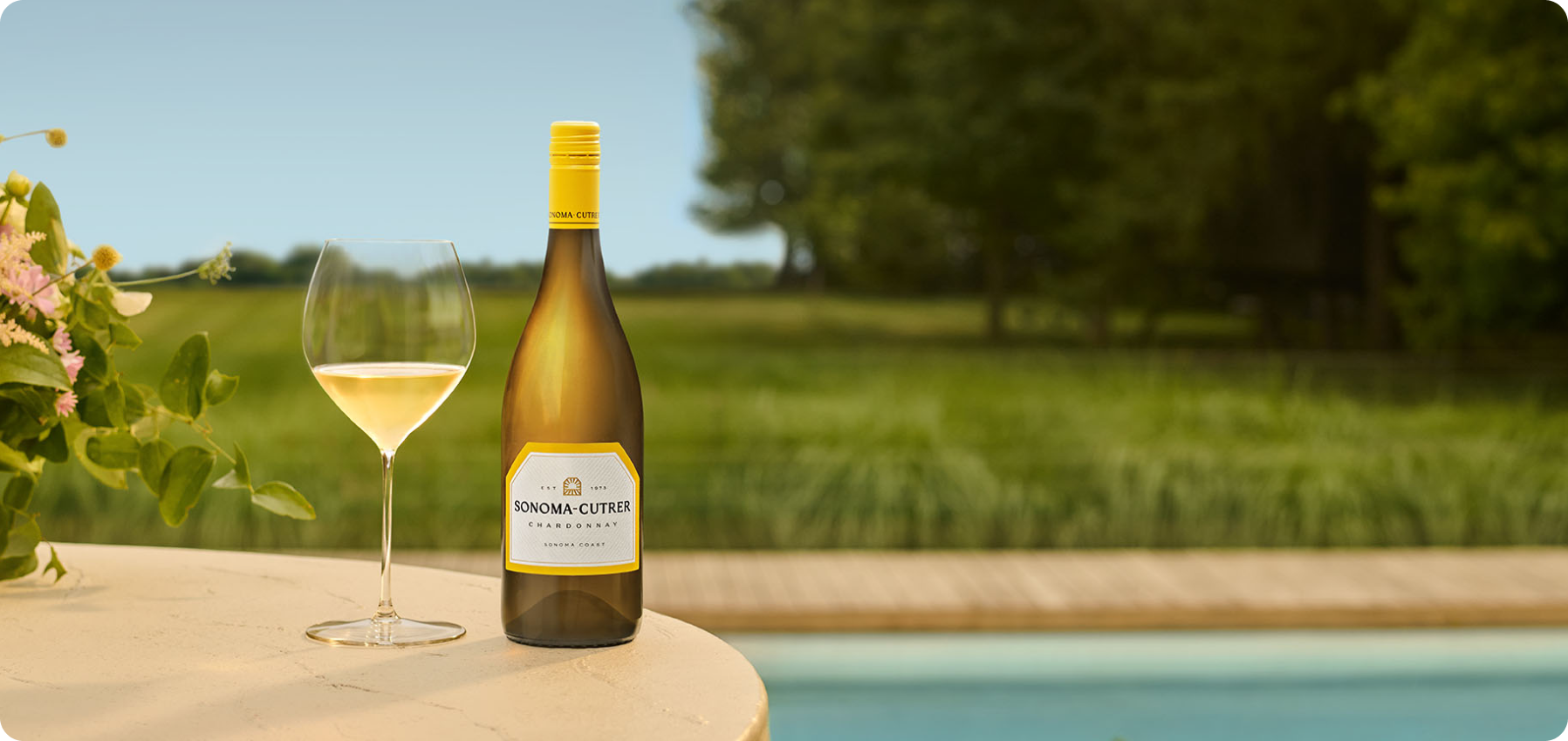
It should make it easy for shoppers to discover the right bottle, trust what they’re buying, and check out confidently, whether they’re ordering a single bottle, a mixed case, or joining your wine club. Theme design for wineries is the full storefront experience: UX and UI design, the sections and templates your team uses every day, and the performance and mobile behavior that protects conversion.
The best wine storefronts pair premium storytelling with clear merchandising, so your craft reads as premium and your buying path feels effortless.
Request a Winery Theme Consultation →Explore Website Design Services →View Winery Website Design Examples →Shopify theme development is the work of designing and building the storefront layer that controls how your pages look, behave, and load. It includes the layout and design system, the templates for key page types, and the reusable sections that let your team launch releases and seasonal campaigns without rebuilding pages from scratch.
For wineries, this matters because wine shoppers typically need more context than “add to cart.” They compare varietals, regions, and vintages. They want tasting notes and pairings. They look for trust signals and reassurance that shipping and delivery will work for them. Theme development creates the structure that supports those needs while keeping the experience fast, mobile-friendly, and consistent.
Theme customization is typically styling and configuration within what a theme already supports: adjusting colors, fonts, existing sections, and basic settings. Theme development is what you do when the existing structure cannot support what you need: new section types, new templates, improved navigation and discovery, a refined product page system for wine education, or performance work to prevent slowdowns from heavy imagery and apps.
Winery ecommerce is not just retail. It is a high-consideration purchase with education baked into the buying decision. A generic theme often forces tradeoffs: either your brand story looks great but shopping is clunky, or shopping works but the site feels like a commodity store. A purpose-built winery theme avoids that by supporting multiple shopping paths from the start: shop by varietal, shop by region, shop gifts and bundles, and shop limited releases, all without burying your wine club or overwhelming mobile users.
It also reduces friction caused by common theme gaps: weak filtering and sorting on mobile, product pages that do not answer key questions, confusing case or bundle purchases, and overly app-heavy experiences that slow the storefront down.
Request a Winery Theme Opportunity Review →- Shoppers cannot quickly find the right bottle by varietal, style, or occasion
- Collection browsing is frustrating on mobile due to clunky filters and long scrolling
- Product pages lack structure for tasting notes, pairings, and trust-building proof
- Bundles and mixed cases feel confusing or hard to purchase confidently
- Wine club value is unclear, and signups are buried or treated as an afterthought
- Higher add-to-cart and conversion through clearer education and purchase UX
- Better AOV through bundles, mixed cases, and intentional merchandising blocks
- More wine club signups through dedicated templates and repeated entry points
- Stronger premium perception through consistent typography, spacing, and imagery
- Better performance even with rich photography and editorial storytelling
Pacific IQ builds winery-ready Shopify themes as a complete system, not a one-off design. That means the strategy, UX, UI, sections, templates, and performance rules all work together. We start with how customers actually shop for wine and how your team actually merchandises wine: releases, seasonal campaigns, club pushes, limited allocations, and evergreen discovery. Then we translate that into a storefront structure your team can run without constant developer tickets.
Our work typically includes theme audit and opportunity mapping, UX and UI design for a premium winery brand, custom Online Store sections and templates, navigation and discovery strategy, and performance and accessibility optimization. We also support QA, launch readiness, and post-launch iteration so the theme stays stable as your catalog evolves and your marketing gets more ambitious.
Review Winery Theme Services →- Review current theme UX, templates, navigation, and key conversion paths
- Identify the biggest constraints across discovery, product education, and purchase flows
- Prioritize fixes by impact, effort, and confidence so the roadmap is realistic
- Produce an action plan that separates quick wins from deeper development work
- Design reusable sections for releases, bundles, club promotion, awards, and educational content
- Build product and collection templates that support wine-specific information and merchandising
- Create content templates for pairing guides, winery stories, and evergreen education
- Establish theme settings and guardrails so edits stay consistent and premium
- Reduce bloat by limiting unnecessary scripts and controlling app impact
- Improve mobile navigation and filtering so discovery does not feel like a chore
- Optimize image and media handling so storytelling does not hurt speed
- Validate accessibility basics so the experience is usable for all shoppers
A strong theme engagement has clear phases and clear deliverables. We begin with discovery and requirements to align on what success means: premium brand perception, faster discovery, higher conversion, stronger club performance, and fewer operational headaches for your team. Next, we design the UX and UI system so key templates feel cohesive and premium. Then we build the theme components: sections, templates, and settings that support your merchandising reality. Finally, we QA across devices and flows, support launch, and iterate based on real data.
This process is designed to match how wineries actually operate: seasonal campaigns, limited releases, club pushes, tasting room and brand storytelling, and ongoing merchandising changes.
- Clarify business goals and priorities: conversion, club signups, AOV, repeat purchase
- Map the key customer journeys and the templates they rely on
- Identify content needs: tasting notes structure, pairing guidance, awards, brand story
- Confirm constraints: timeline, app stack, catalog complexity, internal editing needs
- Create wireframes for key templates with a mobile-first approach
- Define component patterns for product education, proof, and merchandising modules
- Build a premium UI system that matches the label and brand world
- Confirm the section strategy your team will use to build and update pages
- Build Online Store sections, templates, and theme settings
- Validate performance and ensure interactions feel smooth on mobile
- QA discovery flows: navigation, filtering, search, collection browsing, product pages
- QA purchase flows: cart behavior, bundle clarity, club entry points, checkout handoff
- Support launch sequencing and monitor key storefront metrics
- Refine high-impact elements based on early behavior and feedback
- Create a short roadmap for seasonal updates and future section additions
- Establish a process for continuous storefront improvements without regressions
Winery themes should balance premium storytelling with fast, clear shopping. That usually means four core capabilities: discovery, education, trust, and merchandising flexibility. Discovery helps customers find the right bottle quickly. Education answers questions that prevent purchase hesitation. Trust signals reduce friction and reinforce quality. Merchandising flexibility makes your theme usable for releases, seasonal campaigns, and club pushes.
- Provide a fast, accessible age verification experience that does not disrupt mobile shoppers
- Keep the experience consistent with the brand so it feels premium, not generic
- Surface shipping and delivery messaging where it affects purchase confidence
- Place reassurance and trust signals in the moments where customers hesitate
- Build club landing templates with tier comparison, benefits, and clear “why join” messaging
- Support repeated club entry points across homepage, collections, and product pages
- Add merchandising blocks for exclusives, limited releases, and seasonal drops
- Include waitlist and notify pathways where inventory is limited
- Design collection templates for shop by varietal, region, occasion, and best sellers
- Implement filter and sort UX that stays usable on mobile
- Add merchandising modules for bundles, mixed cases, and curated sets
- Ensure search results and no-results states still guide shoppers to purchase paths
- Structure product content blocks for tasting notes, vintage details, pairings, awards, and specs
- Clarify purchase options for single bottles, bundles, and cases with clean UX
- Support rich media and galleries while keeping load behavior fast
- Reinforce trust with reviews, awards, press, and consistent brand presentation
If your winery storefront feels premium but shopping feels hard, or shopping works but the brand feels generic, your theme is the lever to fix both. A purpose-built theme system improves discovery, trust, and conversion while giving your team the flexibility to launch releases, bundles, and club pushes without constant rebuilds.
If you want clarity on what to fix first, start with a theme review that identifies the biggest constraints and the fastest path to impact.
Request a Winery Theme Consultation →Customize when the theme already supports your discovery and product education needs and you mainly need styling and light layout adjustments. Build or develop when you need new templates, custom sections, better merchandising controls, or significant UX improvements across key pages.
A defined set of templates, sections, and theme settings designed around how customers shop for wine. Performance and mobile behavior standards that protect conversion. QA across devices and flows, plus launch readiness support.
Yes, the goal is to create sections and theme settings that marketing can use safely. We also add guardrails so edits stay on-brand and layouts stay consistent over time.
Optimize image handling, avoid unnecessary scripts, and keep the theme lean. Control app impact and validate speed and mobile behavior as part of QA.
Yes, we design club landing templates, tier comparisons, and repeated entry points. For releases, we support merchandising blocks and demand capture patterns like waitlists and notifications where appropriate.
Yes, we support post-launch iteration, seasonal merchandising updates, and ongoing improvements. This helps keep performance stable and ensures your theme evolves with your catalog and campaigns.