Standard Theme or Custom Build? Choosing the Right Shopify Foundation
Choosing the right Shopify solution to support your brand
Food and Beverage
Choosing the right Shopify solution to support your brand
Choose the foundation too small and you spend years patching it. Choose it too big and you pour money into code when it should be going into customers. Here is how we help clients tell the difference.
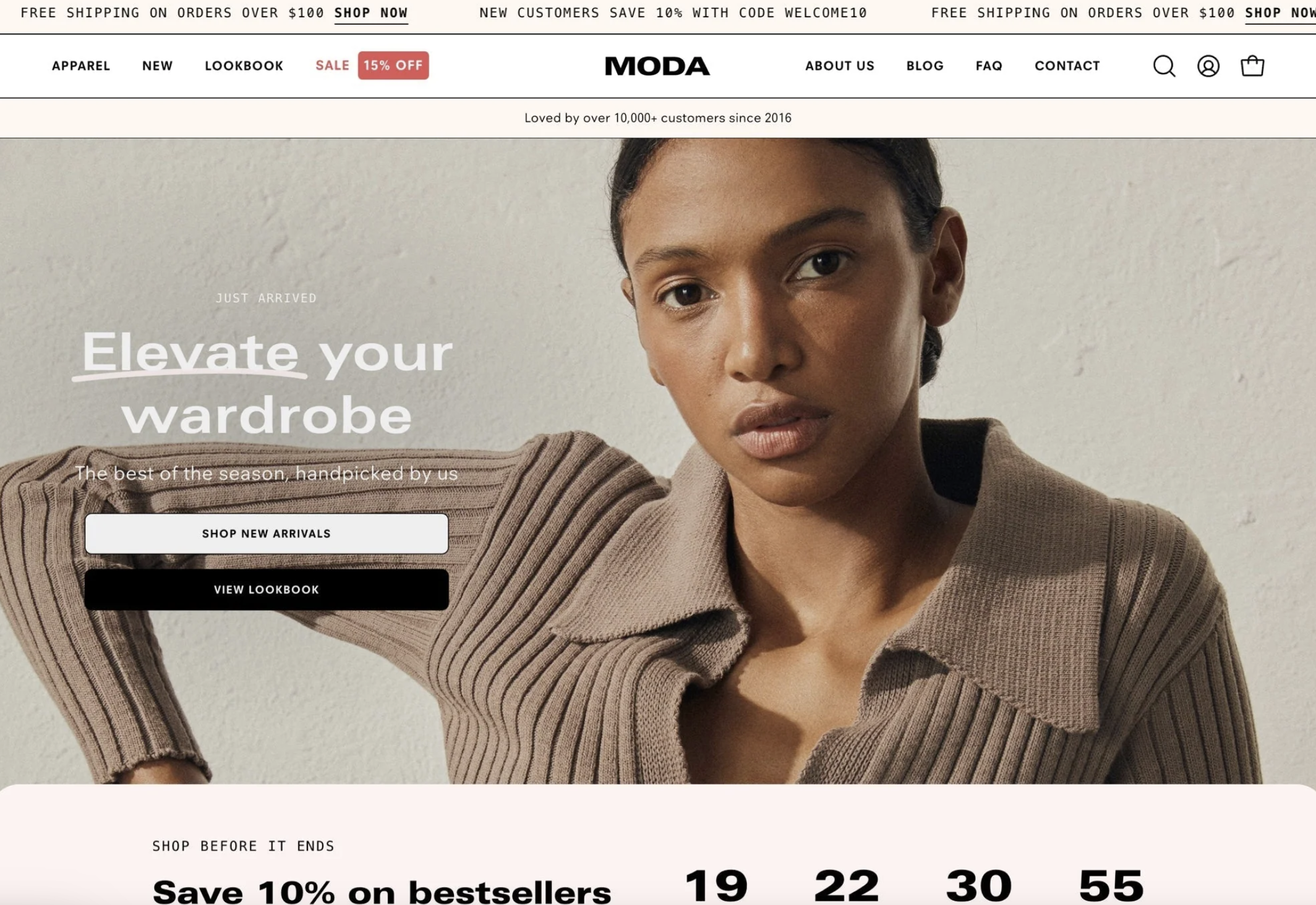
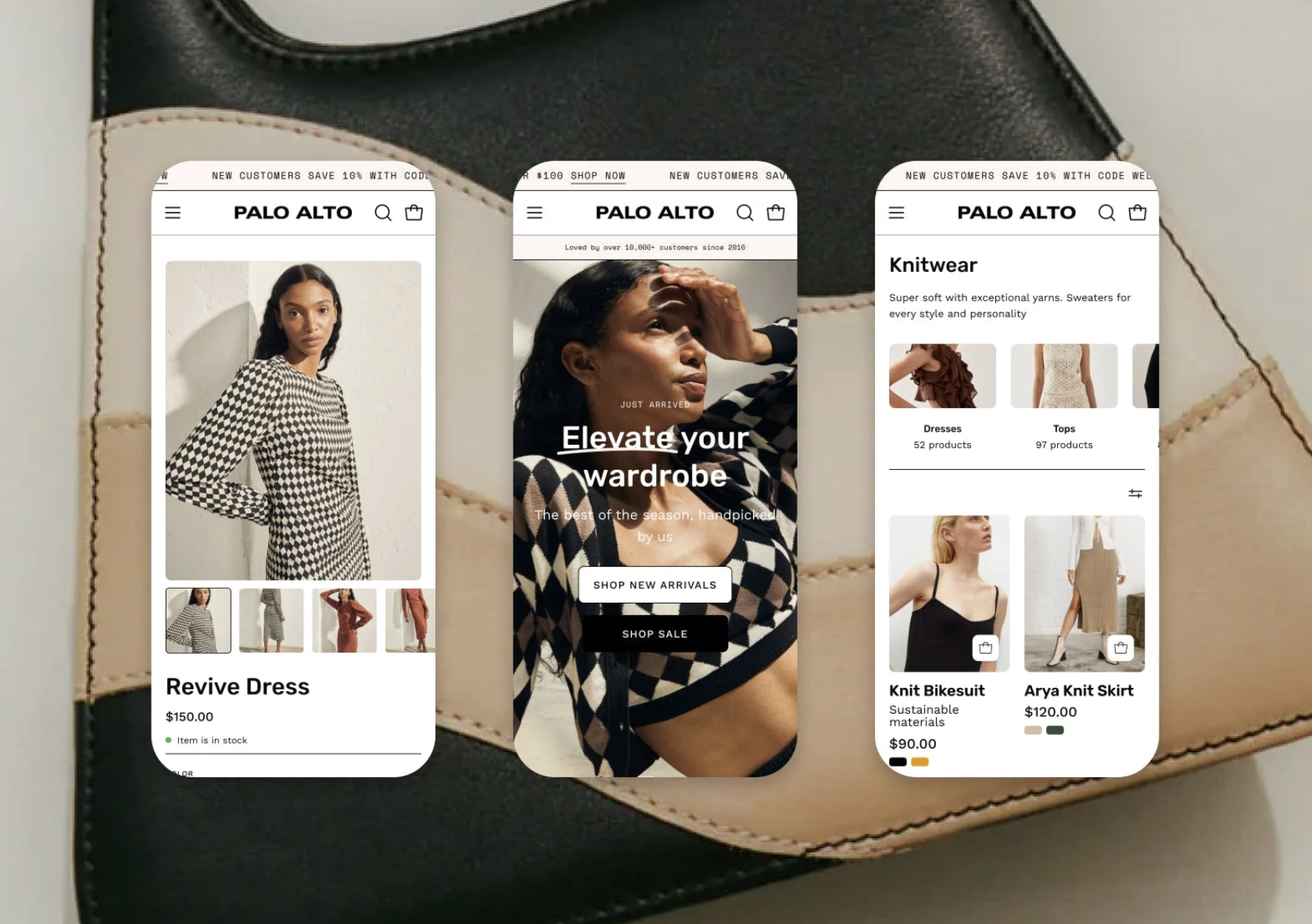
Standard themes have never been better. Shopify's Horizon generation is block-based, fast and flexible, and it ships features that once needed a premium theme or an app. For many brands it is the right answer, and we will say so.
A standard theme is usually enough when:
That last point is where most stores go wrong.
The riskiest setup we see isn't a standard theme or a custom one. It's a standard theme that has been quietly rewritten, one reasonable request at a time. A custom section for a launch, a CSS override for the brand guidelines, a tweak to cart behaviour from a past developer.
Each change makes sense on its own. Together they cut the store off from theme updates, because every update now risks overwriting the edits. Teams stop updating, the theme falls behind Shopify's platform improvements, and every new request takes longer because nobody is sure what depends on what.
When Shopify releases its next-generation theme, and it does every few years, those customisations don't carry over. You rebuild them or stay behind. At that point you are paying custom-build maintenance costs without owning a custom build.
Custom isn't about having more features. It's about having only the code your store needs, organised around how your business works.
The trade-off is real. A custom build costs more upfront and needs an owner who keeps it aligned with Shopify's platform as it evolves. Without that, a custom theme can drift just like a customised standard one.
In our work with luxury wine estates, premium consumer goods and design-led e-commerce brands, the theme ceiling tends to arrive early. It isn't about revenue. It's that the experience itself is part of what the customer is paying for.
A quiet-luxury brand lives on restraint: generous whitespace, deliberate pacing, one idea per screen. Theme templates are built to fit as much as possible above the fold, which is the opposite instinct. A wine estate may need allocation windows, member-only releases and tiered access alongside rich storytelling about the land and the winemaker. Those are business models, not add-ons.
When a brand's buying journey and tone are this specific, forcing them into a general-purpose theme usually costs more in workarounds than a well-planned build would.
We don't start with a recommendation. We start with an audit of your current theme, your roadmap and the way your team works, then give you an honest answer, even when that answer is "stay where you are."
Not sure which side of the line you're on? Talk to us about your current setup, and we'll help you work out what your storefront really needs to carry.
Lorem ipsum dolor sit amet, consectetur adipiscing elit. Suspendisse varius enim in eros elementum tristique.